
What Do Different Pool Water Colors Mean? Signs and Solutions
When you picture the perfect swimming pool, you probably imagine sparkling blue water—inviting, clean, and refreshing. But did you know pool water isn’t naturally blue? It’s actually clear, and the color comes from the way sunlight interacts with the water’s depth and surroundings.
So, when your pool water suddenly turns green, cloudy, or even black, it’s more than just a visual change—it’s a sign that something’s wrong. Different pool water colors indicate different problems, and some require urgent action.
How Serious Are Different Pool Water Colors?
Here’s a general guide to how alarming each color might be:
- Teal or blue-green: Mild; often caused by metals or early algae
- Cloudy or milky: Moderate; can indicate chemical imbalance or poor filtration
- Yellow or mustard: Persistent; usually mustard algae or pollen
- Pink or reddish: Potentially harmful; could mean bacteria or oxidized metals
- Green: Significant; active algae bloom that needs attention
- Black or brown: Severe; often related to metals or organic decay
Let’s break down what each color means and how to fix it—before a minor issue becomes a major headache.
Clear or Blue Water: What Healthy Pool Water Looks Like
When everything is working right, your pool should look crystal clear or lightly blue. This means your chlorine is balanced, the pH is within range, and your filtration system is doing its job.
Staying in this safe zone requires regular maintenance: testing water chemistry, cleaning filters, and brushing the pool’s surfaces. But when your pool’s color starts to shift, it’s time to act.
Green Pool Water: Algae Bloom in Full Swing
A green pool is the most common—and most obvious—sign that algae has taken over. It usually happens due to:
- Low chlorine levels
- Warm temperatures and direct sun
- Inadequate circulation or poor maintenance
To treat it, you’ll need to:
- Shock your pool with chlorine
- Scrub all surfaces
- Vacuum debris
- Run the pump nonstop until water clears
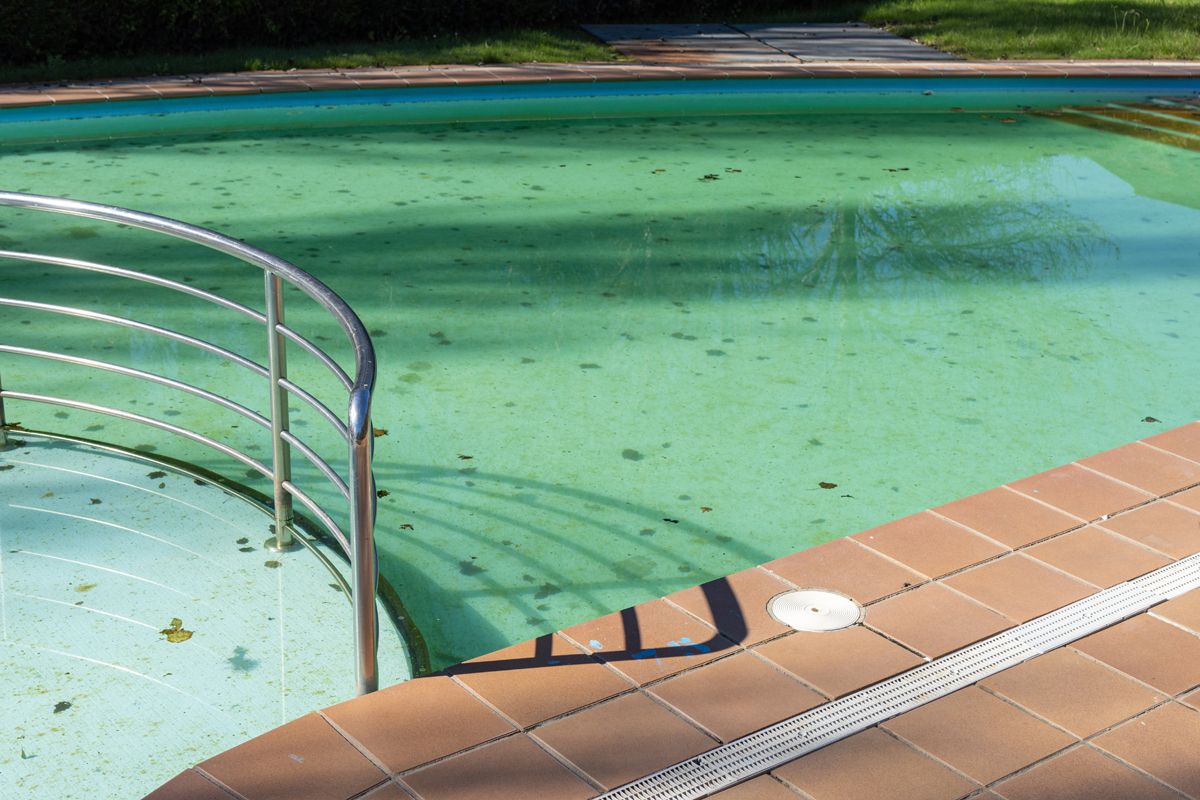
Cloudy Water: A Hidden Issue in Your Chemistry or Filtration
When pool water becomes cloudy or milky, it might not seem dangerous—but it’s a signal that something deeper is wrong. Common causes include:
- Imbalanced water chemistry (especially high calcium or low chlorine)
- Dirty or clogged filters
- Dead algae or fine particles in suspension
Use a pool clarifier, clean your filter, and consider vacuuming the pool manually or with a robotic pool sweep to remove the fine debris that your skimmer can’t catch.
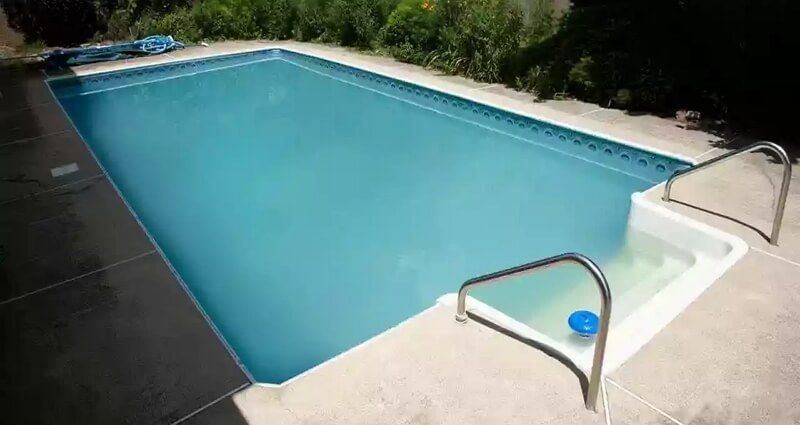
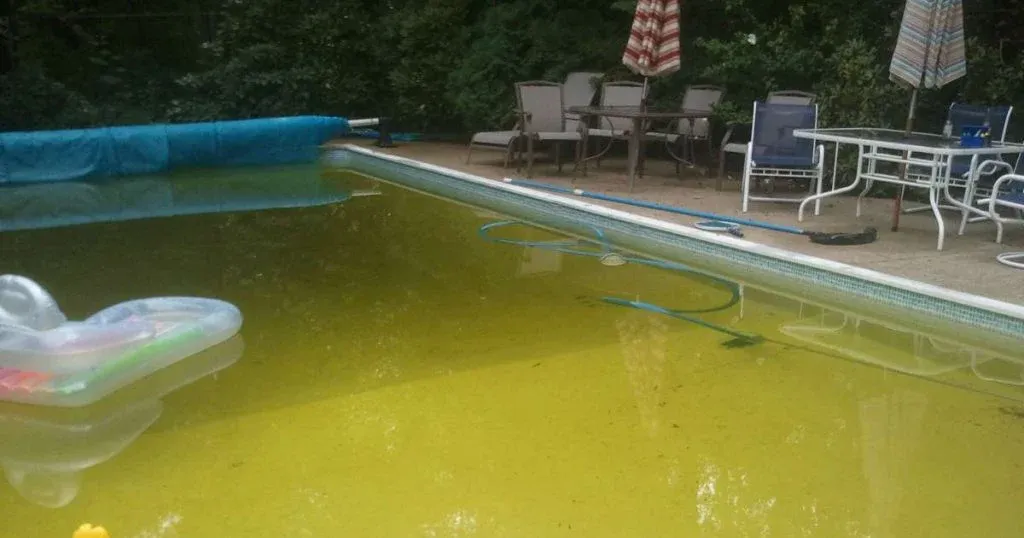
Yellow or Mustard Water: The Tough Algae
If you see a yellowish tint, especially on shady pool walls or steps, you're likely dealing with mustard algae. This form is more resistant to chlorine and often mistaken for pollen.
You’ll need to:
- Superchlorinate (triple shock)
- Apply a mustard-specific algaecide
- Brush and vacuum thoroughly
- Wash any swimsuits or tools that came in contact
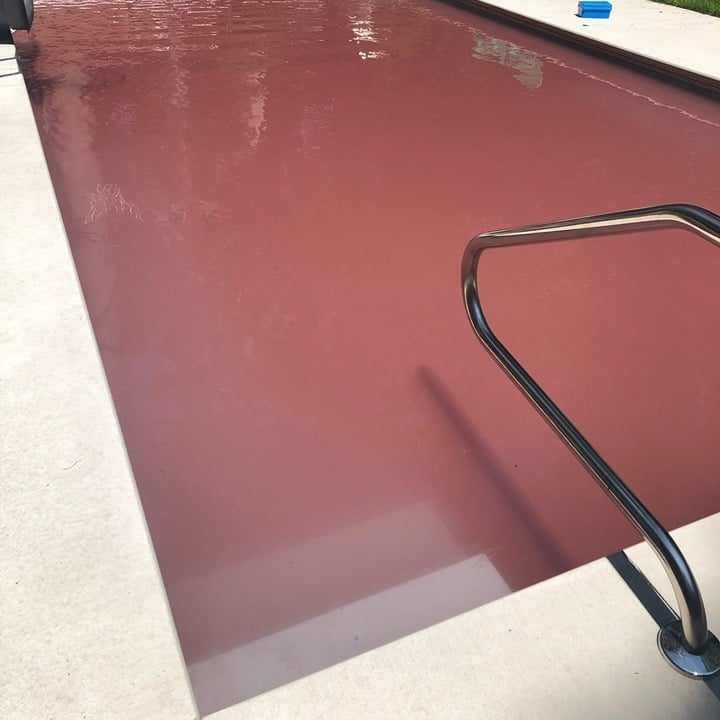
Pink or Reddish Water: Bacteria or Metal Reaction
A pink hue often comes from pink slime, a bacterial biofilm that clings to surfaces and thrives in stagnant water. It can also appear if iron is oxidizing in the presence of chlorine.
Treatment includes:
- Brushing affected areas
- Shocking the pool
- Cleaning or replacing filters
- Using a metal sequestrant if iron is the cause
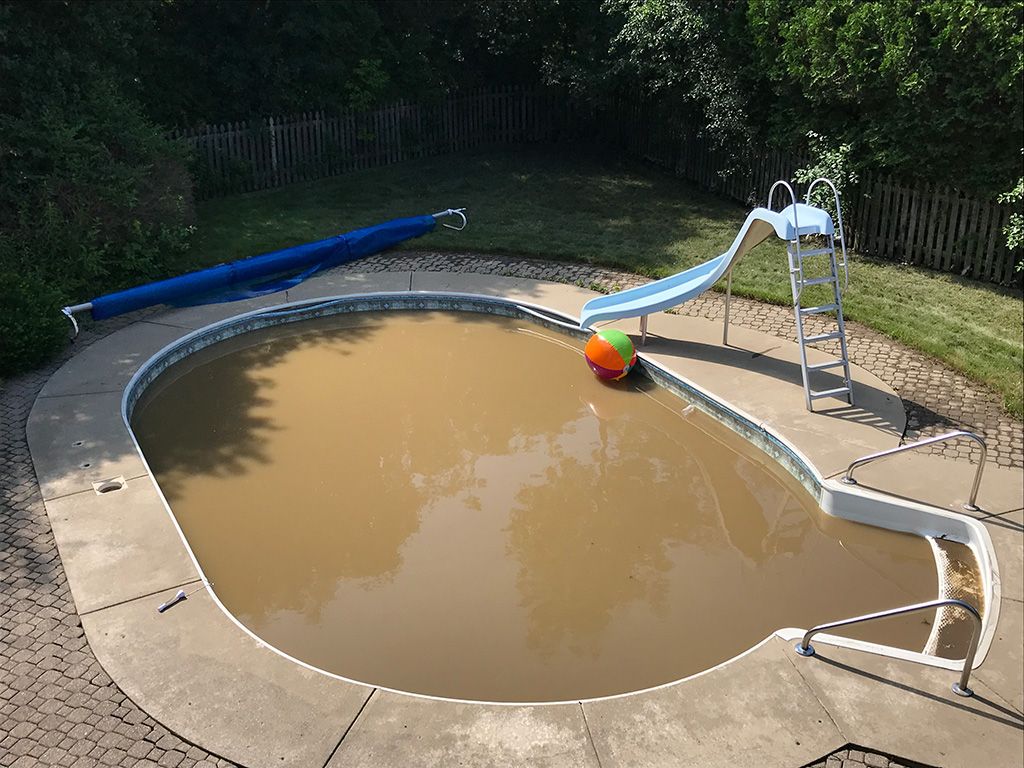
Black or Brown Water: Organic Debris or Metal Contamination
This is one of the most serious signs, indicating that your pool may have:
- Decaying organic matter (leaves, mulch, etc.)
- Iron or manganese from well water
- Algae or bacteria in an advanced stage
To fix it:
- Remove debris
- Run your pump continuously
- Use metal removers if needed
- Vacuum thoroughly—preferably with a robotic pool cleaner that handles fine debris
Teal or Blue-Green Water: Metal in the Mix
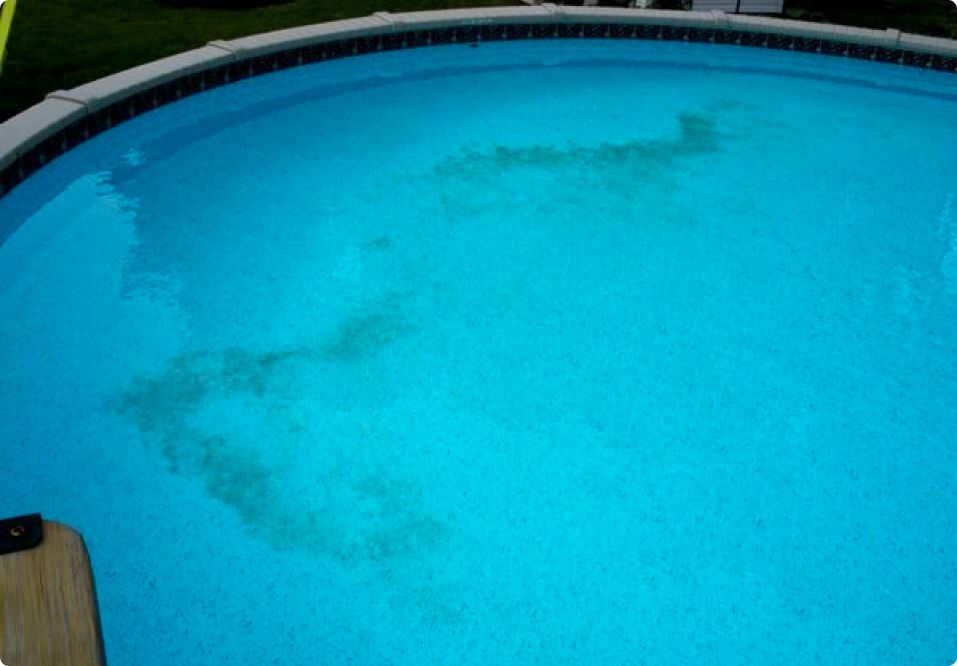
A teal tint often means copper is reacting with chlorine, turning the water a shade between green and blue. It's a sign your water may be slightly off-balance or that your source water contains metals.
To correct this:
- Test for metals
- Apply a sequestrant
- Balance your pH and chlorine
- Keep circulation high to prevent buildup
Why Robotic Pool Cleaners Are Essential for Pool Maintenance
While chemical treatments and testing keep your pool’s water chemistry in check, cleaning tools take care of what your eyes—and skimmer—can’t see. A robotic pool cleaner is one of the best long-term investments for maintaining a healthy pool, especially when you're dealing with recurring algae, stubborn debris, or hard-to-reach spots.
Can Robotic Pool Cleaner Help With Different Water Color Problems?
Absolutely. Once the water is chemically treated, Hydro 4 steps in to finish the job:
- After algae blooms (green or mustard), it scrubs walls and floors to remove remaining spores
- During cloudy water episodes, it vacuums up particles that cloud your pool
- When dealing with decaying leaves or metals, its powerful suction prevents staining and buildup
- For pink slime or bacteria, it helps remove the biofilm from pool surfaces
While Hydro 4 doesn't replace chlorine, it works alongside your chemistry treatments to restore water clarity faster and more thoroughly—saving you hours of manual labor.
Final Thoughts: See a Color Shift? Don’t Wait.
Color changes in your pool aren’t just about aesthetics. They’re signals—some mild, some serious—that your pool needs attention. From green to black, each shade tells a story. Understanding what those colors mean, and how to act fast, will keep your pool clean, safe, and inviting all season long.
And when it comes time to clean things up—whether it’s after an algae bloom, a windy storm, or just a messy weekend—having a reliable robotic pool cleaner like CHASING Hydro 4 on your side makes all the difference.
Before You Go…
Here are a few handpicked articles to inspire your next self-care moment.
